The Torreón

The Torreón Read More »

The Torreón

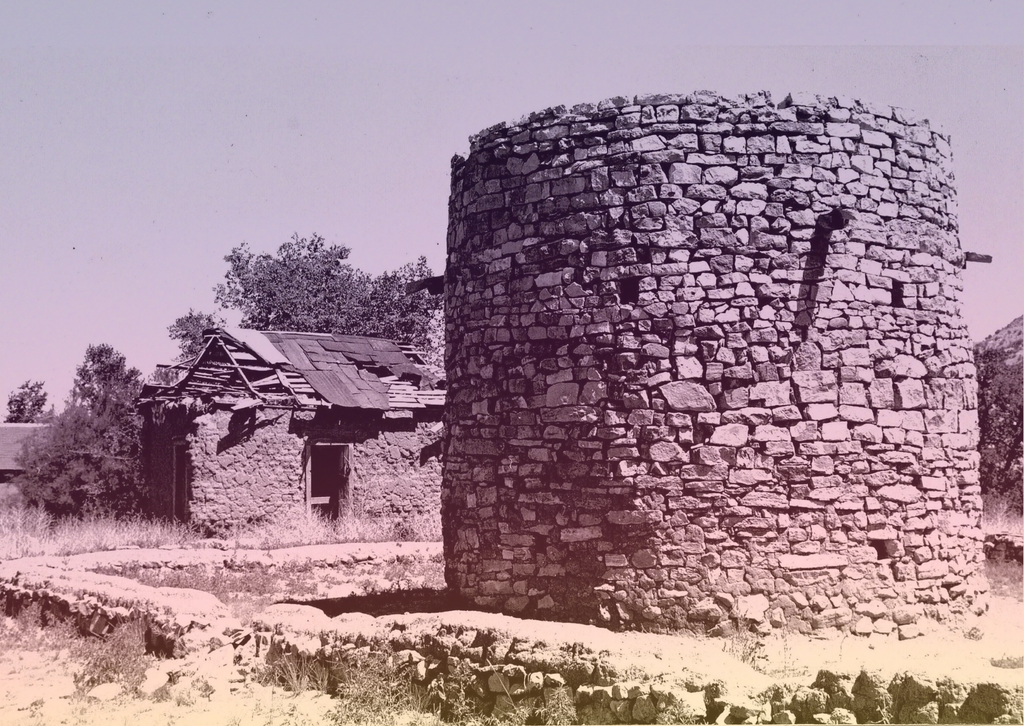
Continuing the theme of the Wild West after releasing Betrayal, the poem The Torreón appeared in Issue 11 of Suburban Witchcraft Magazine, a vibrant online publication which has showcased a number of my poems. The poem appears on pages 48 and 49.

The subject of the poem The Torreón is one near and dear to my heart, which is the Lincoln County War and specifically the character who precipitated it. His name is John Henry Tunstall, I am not about to dive into the historical overview – that has been amply covered by many historians, some of whom are giants in their field. Authors like Frederick Nolan, James B. Mills, Gale Cooper, to name but a few, have enriched our understanding of the turbulent Wild West with their mighty legacies.

The Book which inspired the Poem

But in the maze of information that is out there, I go where my heart leads.

My attention focused on a description given by the gifted writer Elisabeth Fackler in her novel The Legend of El Chivato.

It is Christmas Eve and the young Tunstall has an intimation of the weight of history. He senses mysterious forces at work as he stands in the shadow of an old ruin known as The Torreón. He is on his way to dinner at the McSweens on a chilly night. Her description of the scene inspired my poem. The gravitas and tragic beauty of her writing ignited the Muse.
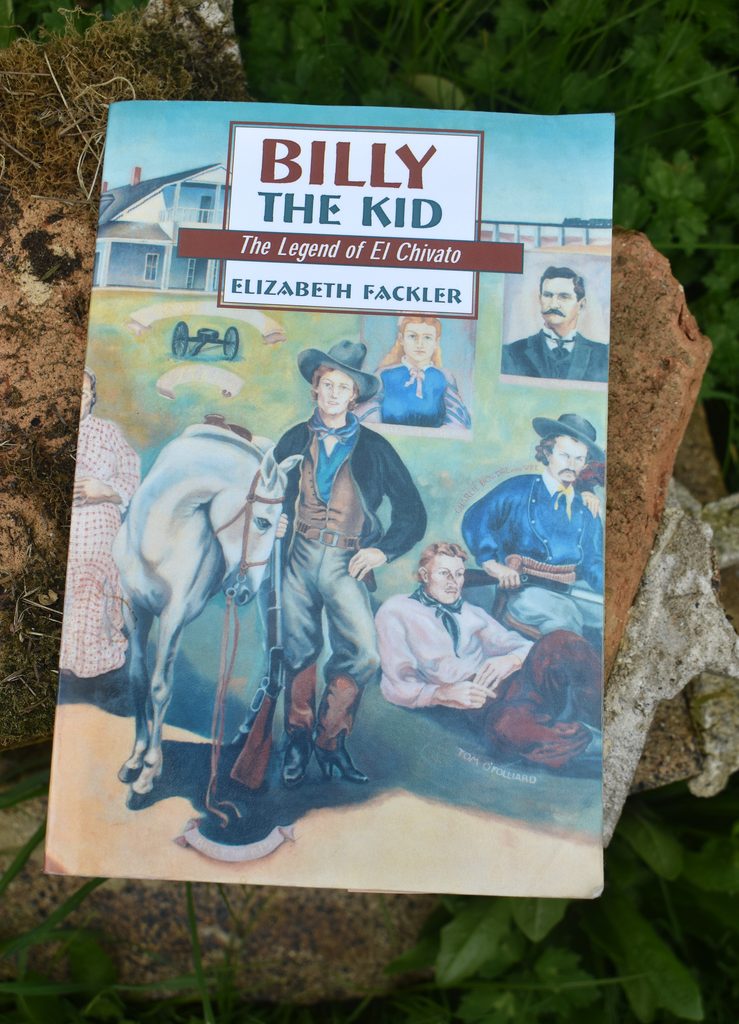
The Legend of El Chivato

Her novel was one of the very first books I bought about the life of William Bonney, perhaps in naiveté. But something drew me to her work, a hunch perhaps. I am a poet, not a historian. I felt the weight of truth behind her writing, especially the characters she brought to life. Her understanding of the events which shaped the Lincoln County War is cogent, brilliantly portraying the strengths and weaknesses and the strategies of the participants. The Torreón became central to the stage on which the conflict ensued.

The Introduction on Goodreads

The introduction on Goodreads neatly summarises her book:

“When young Englishman John Tunstall arrived in Lincoln County, New Mexico Territory in 1876, he felt he had found the true frontier at last. Here was the toughest little spot in America, and he jumped eagerly into the game of getting rich. Lawyer McSween coated his own ambition with pious motives, but his worldly wife predicted disaster. Their marriage, and McSween’s alliance with Tunstall against the local kingpin of the corrupt Santa Fé Ring, set the fuse for the bloody Lincoln County War. In the explosion of violence that followed, Billy Bonney slowly rose from obscurity to become ‘the’ Kid of American legend. This is how it happened.”

John Tunstall

Tunstall was the one man who had offered Billy the Kid a future. Fackler pens their burgeoning collaboration with evident sensitivity and insight, describing the impression the young Bonney made upon him, By equipping him with the means to start his own ranch, the Kid’s life might have evolved very differently had Tunstall lived. Instead, Tunstall was brutally murdered by the henchmen of the corrupt Santa Fé Ring because he dared to establish his own rival mercantile business. The rest, they say, is history.

Billy Bonney vowed revenge on Tunstall’s murderers. The memory of John Tunstall deserves a poem. I poured my heart into the work, an offering to his memory.
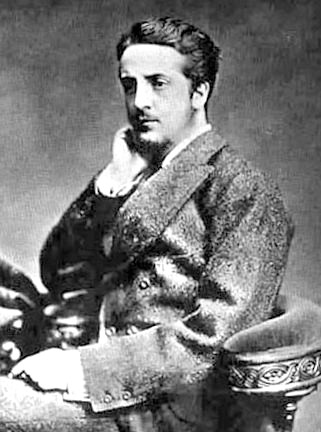
The portrait of John Tunstall Esq, the inspiration behind the poem The Torreón.
A portrait of Tunstall, who inspired the poem.

The Serendipity

By some magical fortune I had found an unexpected treasure within the pages of a sought-after secondhand book, The Real Billy the Kid. The author, Miguel Otero, was one of the pallbearers at Billy Bonney’s funeral. Neatly kept in an envelope were authentic photographs of the Torreón. They were a perfect accompaniment to my literary offering! I sent copies of them to the editor of Suburban Witchcraft, which she published with the poem.
 

Gremlin Grimoire

Gremlin Grimoire Read More »

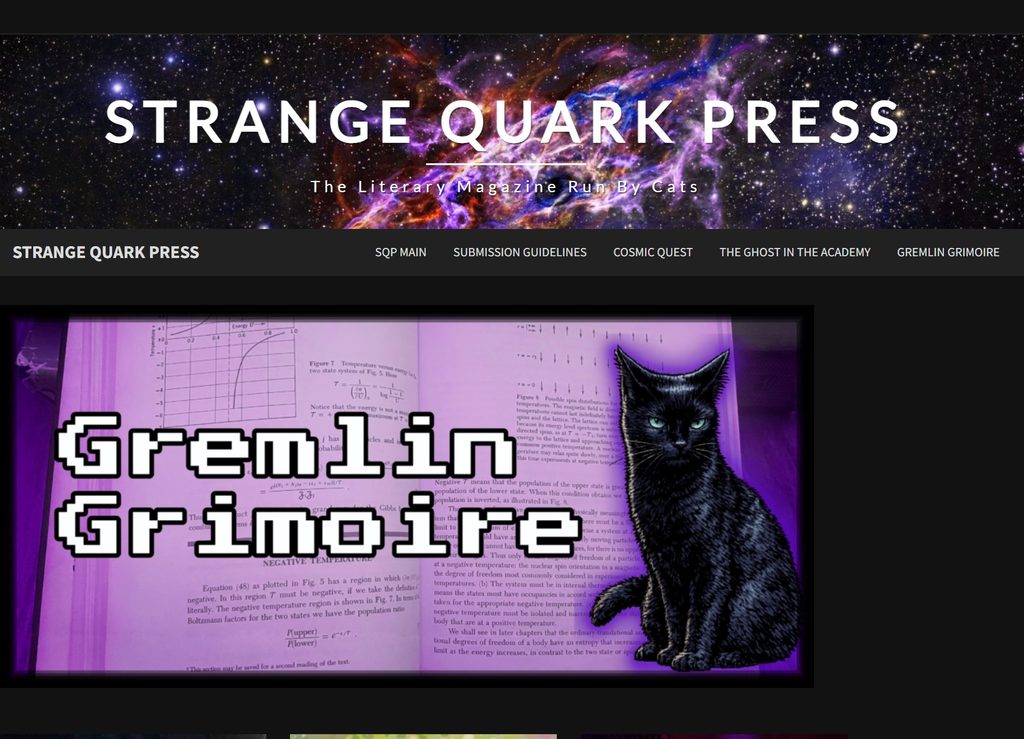
Gremlin Grimoire is the title of the newest anthology from strange Quark Press. Their website is arresting!

I had stumbled across Strange quark in my online wanderings, a happily unexpected discovery. There was something new and different about it which appealed to me. The header on the home page is a great introduction to the publisher’s aims: “Strange Quark Press is an indie magazine for science-themed writing, science fiction, and speculative fiction and whatever weird stuff you come up with. The world of schooling and academia that many of us pass through and inhabit often feels stifling …” Magic and imagination provide leys that open doors to real learning.

I was curious and ventured in. Submissions were open!

The genre of Strange Quark is generally speculative fiction, including a broad church of magical realism, adventures in consciousness, the quixotic and weird, with hints of the Gothic. Most literary forms including poetry and short stories are all welcome.

The Zoom Launch

The editor, Ryan Walraven, is a fascinating character, as I was to discover at the Zoom Launch held to celebrate the anthology’s release. He invited each one of us to read our work in the limited time available – a slick 45 minutes! His personality radiated an indefinable offbeat quality, someone who definitely blazed his own trail and didn’t care too much about literary fashions or social media. Here was someone who knew his own mind and trusted his literary instincts.

Only ten authors have their work in this collection – I was most fortunate to be one of them. It may have been the obscure nature of the theme presented in the submission call which attracted limited numbers. Or it may have been the editor’s eye for bold individuality, I couldn’t gauge. What he has curated is a deliciously original and discerning mix of poetry and short stories.

The Zoom launch celebrated the anthology’s printed release. It is available on Amazon worldwide.

About Gremlin Grimoire

Ryan Walraven’s own words describe the anthology best:

“Gremlin Grimoire is a human-created collection of poems and stories that wanders from the ghoulish to the surreal. Across these pages, ten imaginative authors and one discerning cat offer their strange, searching takes on our theme.

Inside, ancient questions mingle with ethereal frequencies. Dangerous spell books collide with troubled relationships. The moon, naturally, makes an appearance, alongside psychedelic revelations, lingering shadows, and encounters that may leave reality feeling slightly less dependable.”

I had only one poem to offer which was close to the theme of spells and the surreal, and that was The Cabinet of the Bones. I was waiting for the right publisher to give this work a home. And he appeared!

Gremlin Grimoire was initially published on the website.

My poem can be read here.

Gremlin Grimoire Hits X

I had posted news of the publication on X quite a while after the anthology appeared. In spite the tardiness on my part (I had been absent from social media), I received an eye-catching response from Mr Nga, one of the few accounts on X who actively engages with me.

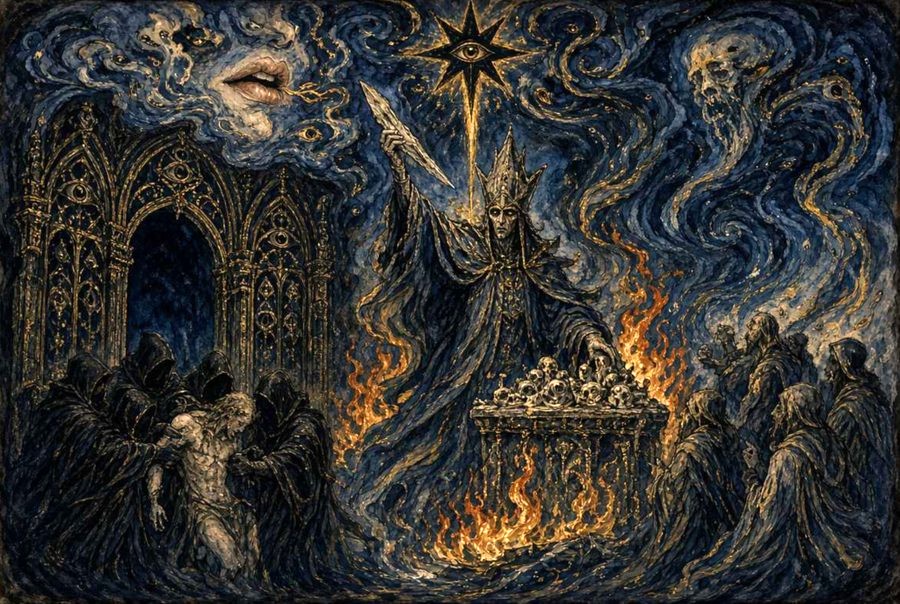
”A dark star scrying the earth”

Mr Nga captures the first two stanzas perfectly in this amazing image.

The Cabinet of the Bones

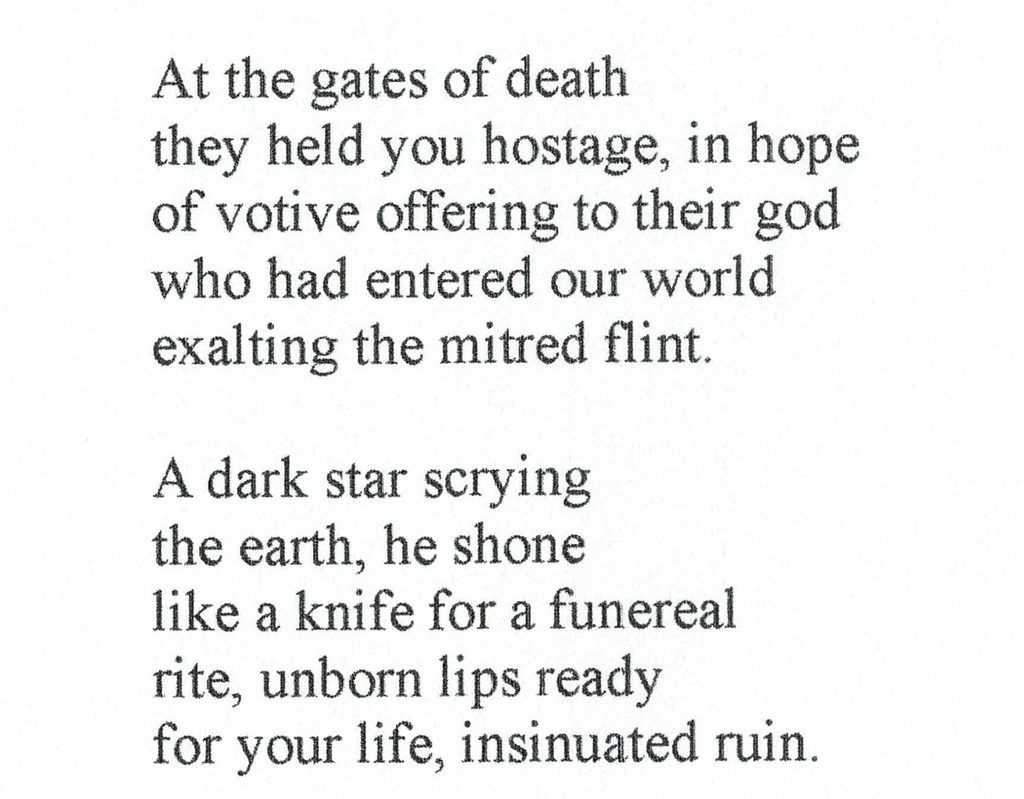
The first two stanzas of the poem The Cabinet of the Bones, published in Gremlin Grimoire.

The Triumph of Light Over Darkness

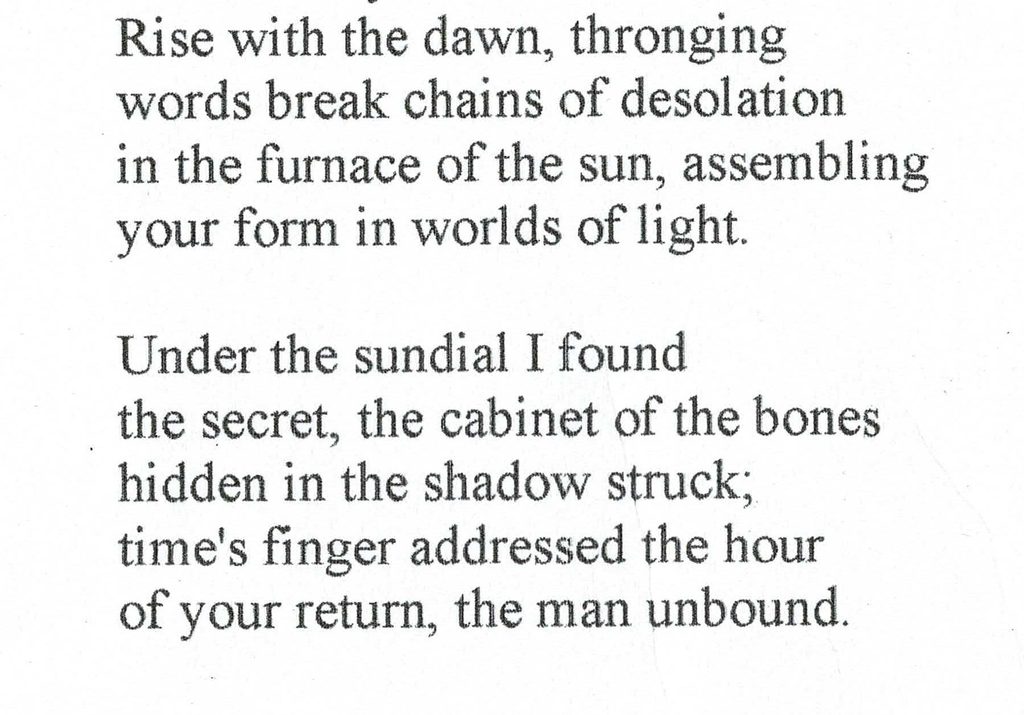
At the Zoom meeting, I somehow knew that Ryan would ask us about the ideas behind our work – I intuited he would ask me what the Cabinet of the Bones signified. I replied, “Essentially, it’s an exorcism.” The first two stanzas paint a dark scene, but the ‘man unbound’ appears in the last stanza, liberated from dark rites which had kept his soul captive in death. Thus he becomes like the sun.

An excerpt from the poem The Cabinet of the Bones, featuring the final stanzas.

Still abuzz after the Zoom readings, we all communicated enthusiastically with Ryan and one another by email. I had written to one of the authors, Julia Lymperopoulou, “… but I believe writing and poetry have healing, as your work shows.”

Pain and Life are the Coal of Creation

She replied, “And your poem is healing as well! I truly enjoyed it, along with all the images and emotions that surfaced while you were reading! Pain and life are the coal of creation, as they confront us with ourselves. I have written poems dedicated to my late mother as well. It is comforting, as much as it can be. And a channel even poetry could be to communicate with a different dimension.”

Beautifully stated and true.

Read the full poem here.

Betrayal

Betrayal Read More »

The poem Betrayal is my latest offering to Spillwords.

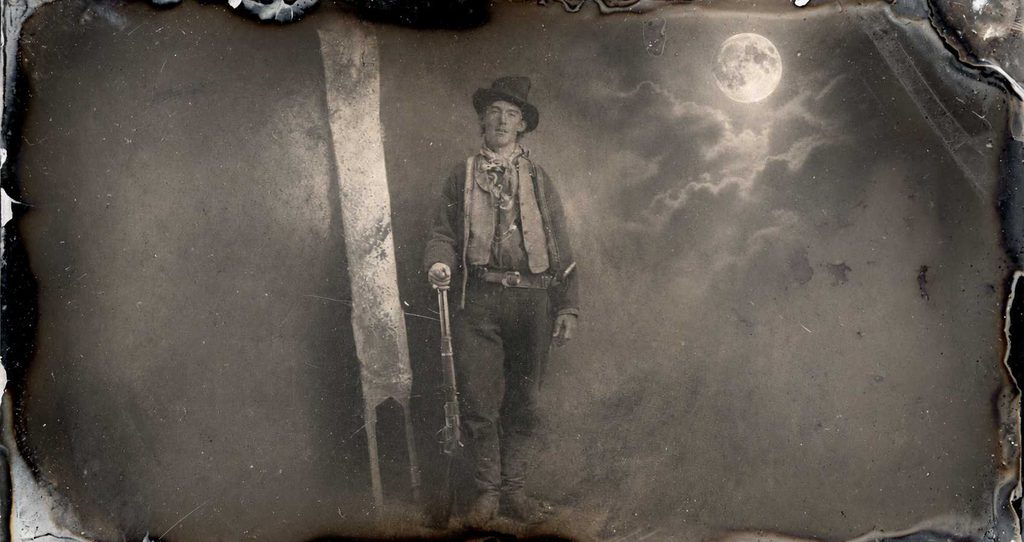
The image for the poem, shown above, renders an atmosphere which depicts the subject matter perfectly. I waited with great anticipation to see what picture the editorial team would produce. I was not disappointed!

The legend of Billy the Kid, retold beneath a merciless moon, where betrayal arrives with a gunshot from the dark.
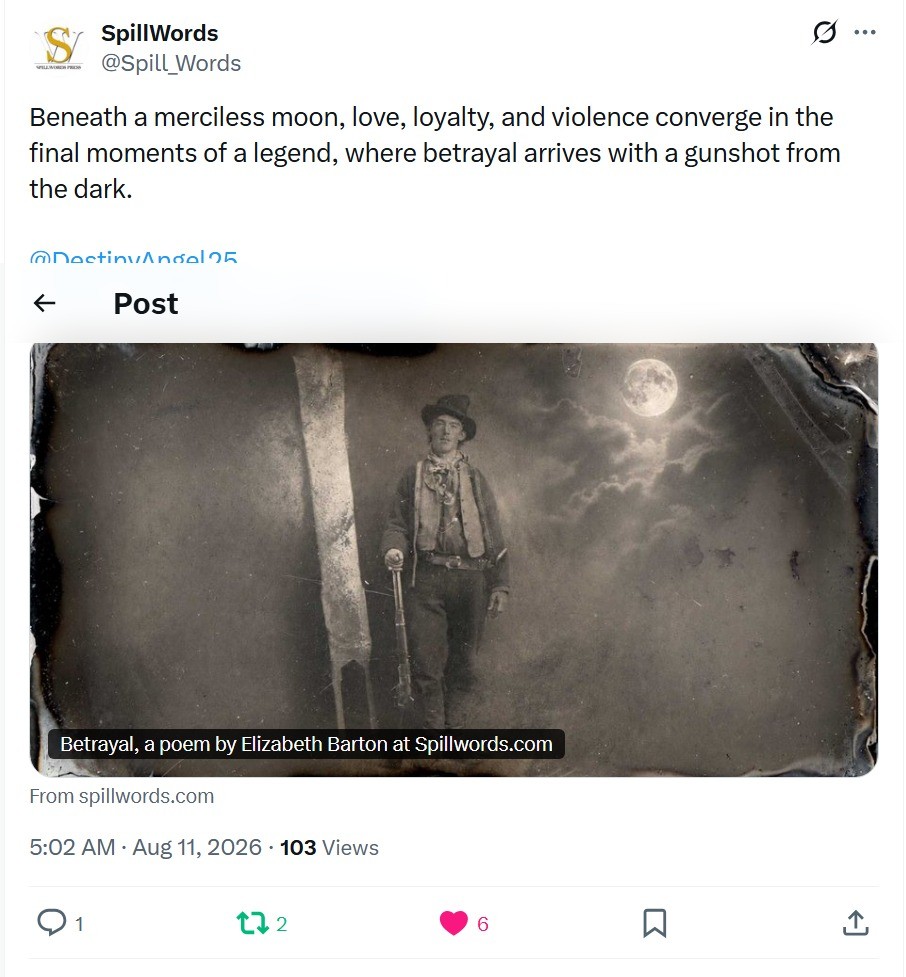
A powerful introduction to the poem Betrayal, posted on X.

Inspiration from The Final Word

The online submission form has several fields, one of which is to describe the work. My explanation exceeded the length of text allowed. So I had to send a much shortened account of the poem’s meaning and background. I have set it out in full below:

The poem is a rhapsodic reverie spun around the final moments in the life of William H. Bonney – aka Billy the Kid – gleaned from the perspective of those who have questioned the accepted historical narrative. Principally, my inspiration came from Bob Bose Bell, editor and founder of True West Magazine. His book, The Life and Times of Billy the Kid: the Final Word, is the topic of discussion. As a great admirer of his wonderful art, I had purchased my own copy. He went on to discuss the work in a YouTube video, How Did Billy the Kid Really Die?

In His Own Words

Bob Bose Bell explains, “I have been researching and studying the life of Billy the Kid for at least four decades,” He says, “This is my third – and final – book on his short and violent life, and I believe it’s finally time to tell the truth about one of the biggest lies in the entire saga.”

In The Final word, Bell contests the “contorted and ridiculous Pat Garrett version” of how the Kid died as “a total lie.” “I don’t believe Billy was walking in his stocking feet across the parade to get some beef,” says Bell. “I don’t believe he possessed a Colt Thunderer.”

The YouTube Comments

The video attracted much commentary which fired my poetic imagination. The most thought provoking came from one Chacote Outdoor Recreation, who has his own YouTube channel. He wrote with an assurance and knowledge suggesting he had some ‘inside’ information beyond the reach of the public domain. He also asserts Billy the Kid was not walking across the parade ground in stockinged feet. Nor was he in Pete Maxwell’s bedroom when the shooting occurred. Chacote’s words are controversial, to say the least. It surprises me there was not more enquiry and interest in what he had to say.

A Terrible and Telling Account

.Chacote’s words form a terrible and telling account. “Paulita claimed in an interview that … she never dated Billy. Oddly, she had a bullet wound scar to the left of her abdomen that some say was the first shot and went through Billy. The remaining four were chest shots as Billy turned” … “and before daybreak a blood-soaked down mattress was burned that came from Paulita’s brother’s bedroom.” … “My last issue is this, suppose this happened in your home? Would you really shop for and buy a mattress the following day? And why would law enforcement run this errand? A man named Thomas McKinney purchased the new mattress and arranged immediate delivery. No one finds this odd, or the blood-soaked quilt in her hope chest thrown away after her death …”

“Poe is the one who dragged Billy off the bed and put the gun in one hand and a knife in the other. Garrett was in shock thinking he may have killed Paulita as well. You don’t need to be a genius to figure out no one gets a shot to their chest and holds on to a pistol and a knife. But that is how that night went, crafting a story … making sure Billy was dressed to hide the bullet wounds, especially the one in his back before he was taken to a carpenter’s shop for a wake …”

The Instrument of Betrayal

The pearl handled pistols became the instrument of betrayal in my poem. The inspiration originates from a cryptic remark made by one of the sheriffs involved in the fateful night of 14th of July 1881. He said many years later, “Never keep pearl handled pistols (by your bedside). They show up too well in moonlight.” Rather significant, I thought, with a slight shudder.

A Deadly Inheritance?

Recently, I stumbled across a YouTube post from the acclaimed historical channel, Chasing Billy. It’s a short vignette from the autobiography of one Charles Francis Colford, detailing his chance encounter with William Bonney.

Before Bonney steps into the literary spotlight, Colford relates his first meeting with Pat Garrett, who was working on the Chisum Ranch at the time. He describes Garrett’s attire, and that: “He wore two pearl handled six shooters with which he could almost play a tune.” As I listened some spine-chilling penny dropped. The idea occurred to me like a cold hand on my shoulder. Could Pat Garrett have given the same pistols as a ‘gift’ to Billy, knowing one day they would lead directly, or indirectly, to his death?

Chacote’s comments, and the alleged confessions in later years from those responsible for Bonney’s death, comprise the framework for the poem. Inspiration? I was floored. I hope through the cathartic experience of creating the poem there may be some kind of closure for William Bonney. May his soul rest in peace.

Far from being a historical retelling, the poem Betrayal is a work couched in mystery .and atmosphere.

The Apocalyptic Child

The Apocalyptic Child Read More »

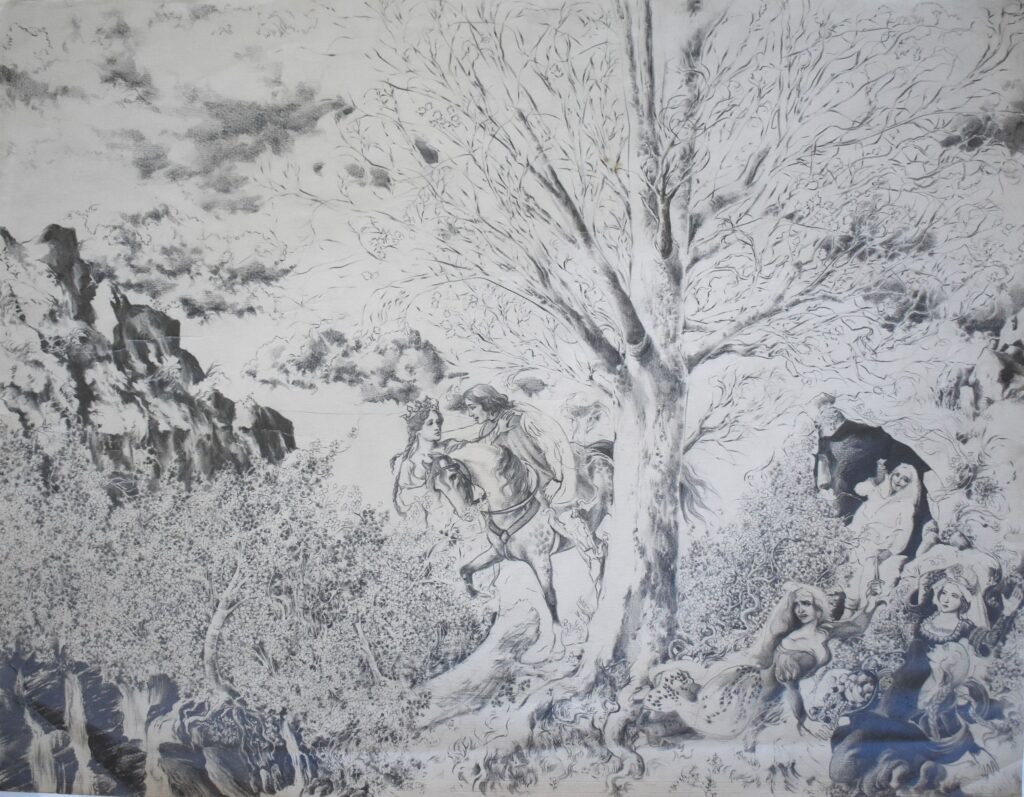
The Apocalyptic Child - a Drawing I had done in 1976, when I was 16.
The Apocalyptic Child in its inception

I was the Apocalyptic Child. I blazed a different path as a teenager, glavanised by some unique experiences which set me on my life path. Even at school, I had set fire to the minds of friends and colleagues, as I discovered many years later at a school reunion held in 2018.

A Revelation Through Art

At age 16, I produced a drawing, shown above, entirely from imagination and memory. When everyone else was sunning themselves on a hot beach in New Zealand, I was tending to the creative fire.

During a summer holiday period I stayed with family in Browns Bay, Auckland. As the beach was within walking distance, I was quickly introduced to the beach culture – bodies, suntans and the frivolities that go with it all. I much preferred the company of my imagination and spent most of my time creating the drawing while staying there. I sat at the large round dining room table in our hosts’ house. With its smooth top, it was a perfect platform from which to launch a creative idea. Thus the drawing was born.

The Beginning

What precipitated the moment when I became the Apocalyptic child? It began some 18 months prior when I was still living on our farm outside Waharoa. A neighbouring farmer, with his English family, became family friends. He asked me to help with planting some pine saplings on a hilltop which had once been a Maori fortress, or Pah. Hence the name of the farm, emblazoned in iron letters on the gate at the end of the road: Pah Farm.

The purpose of planting pines was to prevent erosion, or so I was told.

Music For a Personal Apocalypse

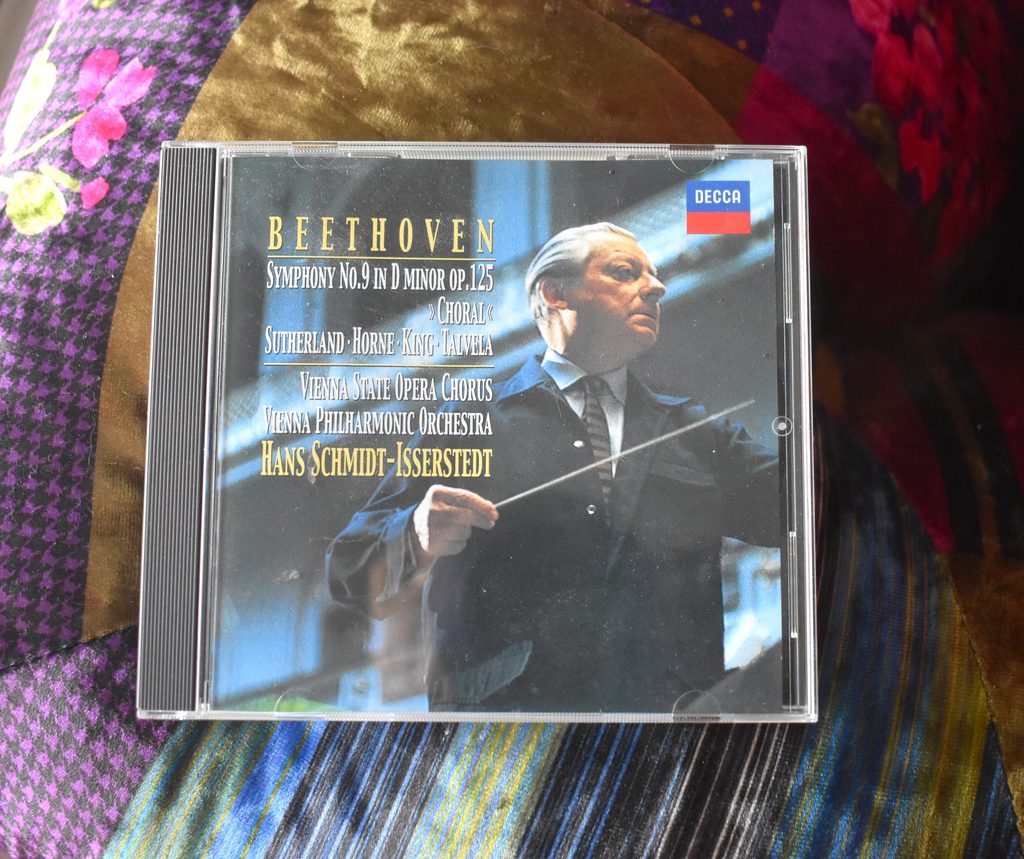
As a teenager, I fell in love with classical music, ignoring the popular music idioms of the day. So when the planting project was completed, my payment came in the form of a collection of vinyl records, one of which was Beethoven’s 9th Symphony. I was lucky to receive the definitive recording with Hans-Schmidt Isserstedt conducting the Vienna Philharmonic. The majestic talents of the soloists, which included Joan Sutherland, Marilyn Horne and the Swiss tenor Martti Talvela, are the pinnacle of this magnificent performance.

Beethoven's 9th Symphony, music for an Apocalyptic Child
The definitive recording of the 9th Symphony

My world was turned upside down. The 9th Symphony shook me awake. It was a spiritual revelation. From that moment I was propelled into a holy quest to remain faithful to my creativity no matter the odds or what life and fate stacked against me. I became equipped to listen to the voice of the god within. I was 15 years old. Thereafter, it became vital to harken to the creative calling and commit myself to forging a path in art. I had tapped into the fire and tempest of the soul. I derived greater sustenance and enjoyment in giving form to the creative impulse than anything else, and that was how I could blithely ignore the trivia typical of summer holidays with attendant social pressures and produce a drawing whose meaning has only become apparent.

The Drawing Reveals Itself

I never gave it a title, but after a long period, I began to decode the imagery woven around the figures. I had come to a slow realisation that the picture is an allegory of the crown of life.

The crowned woman could be a symbolic self-portrait, setting out on her life path, pulled at by the distractions of life, family, marriage – all the things which were entrenched in 1970s New Zealand society – and embodied in the young ‘prince’, riding a horse, whom she resists by pushing him away.

Societal Pressure

Here, something about the individuality finds expression. In Jungian psychology, a rider represents the Self, or the individuated personality. In our society, the expectation of finding oneself through a man and marriage was usually the lot of women. (Here, I would like to point individuality and a fulfilling union are not mutually exclusive. But it is important to discover one’s true self first). These were things which were uppermost in my mind at the time.

The shadowy figures down in the right hand corner appear witness to a betrayal. Who is the woman in the cave holding a pouch, filled with some kind of payment? She gloats – what price for the soul? There is some also kinship between one of the figures and the young woman with a crown, as both are wearing plaits. I see the figures as the ‘shadow’, the all-knowing, intuitive aspect of the personality always active just below the threshold of consciousness.

When I drew the picture, it was simply devotion to the freely flowing images of my mind. I didn’t analyse what I could see and never set out to ‘tell a story’. Looking back, I realise at some level I knew and the wise, eternal aspect of my being was guiding me. Thus, I became the Apocalyptic child, inspired and directed by a personal revelation.

The Final Journey

For many years, the drawing lay hidden in an old art folder. I took it with me to the UK in 1985. It lay in storage for the 32 odd years I lived there. In 2024, it made its return journey to New Zealand, still locked away in darkness between the covers of the same art folder, until one day I brought it out.

Its significance hit me, almost overwhelmingly. What I once dismissed as a childish expression I now treasured. I removed it at once and had it framed under archival glass. Now, it hangs prominently in my studio, ever reminding me of the precious decisions which formed my life path and what I came here to do.

The Voice

The Voice Read More »

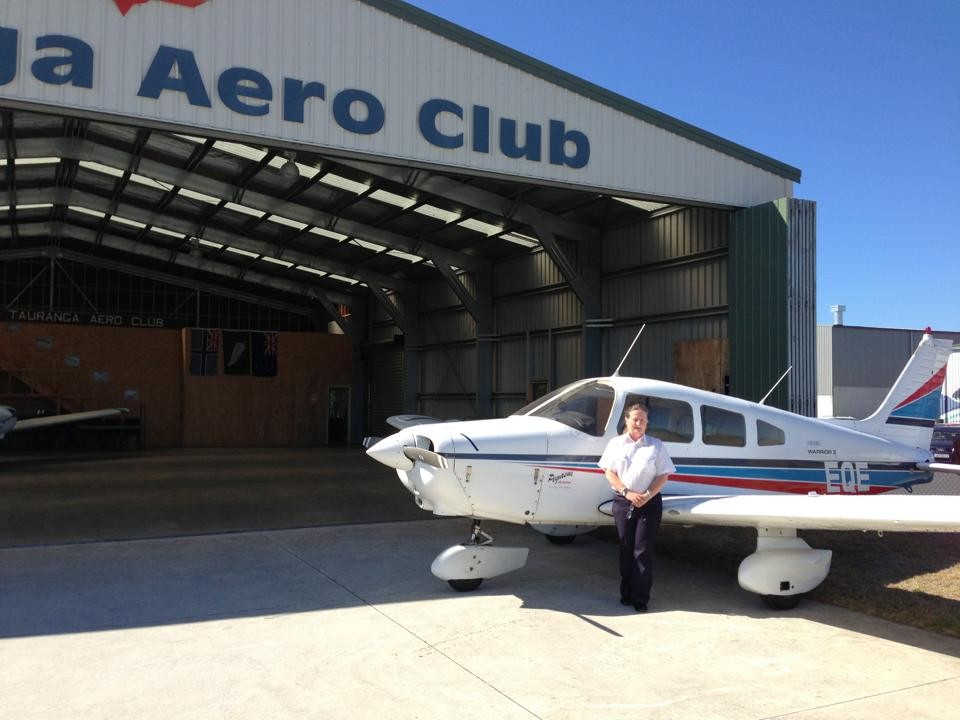
Cover Image for The Voice - which was honed in my flying career.

People tell me I have The Voice. I never thought about it until I started to read and perform poetry. But for years, I used my voice creatively without realising it. Through many incidents in my life, I trained it to become an instrument, a tool for effective expression. Singing in adult choirs helped.

The Voice Began With Flying

I learned to speak clearly and succinctly as a result of studying for the Radio Telephony Licence, which was part of my pilot training. Thanks to dedicated instructors, I learned early on speaking confidently and authoritatively over the radio admitted you through controlled airspace in the UK – and the US! Any hint of hesitation or bungling in your voice would spark reluctance in the air traffic controllers at Luton or Stansted – or Orlando – to allow you to share the same airspace as the big jets. The training paid off. While still a student pilot, I worked the Luton corridor and Northolt, and a few other restricted spaces. Accurate flying helped, too, but that’s another story.

The Voice identified me to other pilots when I was flying in Scotland. One afternoon while stooging over Perthshire, I changed frequency from Scottish Information to Edinburgh Radar. Once I announced my callsign and intentions over the airwaves, a mellifluous voice greeted me, “Hello, Elizabeth”. No Golf-Bravo-Xray-Oscar-Foxtrot, which is a typical British callsign, but an address by name. The unidentified pilot recognised my Kiwi accent at once. Of course, it stuck out like a sore thumb amongst an ocean of Scottish brogues, some indecipherable to my ears. This particular greeting came from south of the Border. I wagered he was one of the former instructors or pilots from Lydd Airport and had bagged a swish flying job with some local airline. Naturally, I returned his salutation. It was quite informal and strayed outside the bounds of RTF protocol.

Cumbernauld Bingo Hall

I had a secret evening job where The Voice came out in full play. I was a Bingo caller at the local Bingo hall. Everyone there knew I flew by day. No one at the flying school knew I stood on a stage with a microphone by night calling out numbers. I landed the position precisely because of my voice, honed by hundreds of hours flying and working the radio. Fellow Bingo staff loved my accent. One girl wanted my voice recorded on her mobile phone, to announce to callers, “Put another shrimp on the barbie”. Although that expression is not typically Kiwi, and in fact has the rattle of chains about it, I obliged. The message became her voicemail! She played it over and over to raucous laughter. Fortunately, the infatuation with foreign accents was mutual. I relished the musical lilts of so many different Scottish accents.

Cumbernauld Bingo Hall acquired a reputation for being exceptionally lucky. Naturally, it drew players from all over North Lanarkshire and every night the place was packed. On one of the few nights I worked the floor, a woman insisted I stand right beside her for the entire evening. She believed I was a walking good luck charm. After all, the customer comes first, and I willingly obliged. I only left her side for toilet breaks or to get more change for the players. Her belief paid off. She walked away that night £800 richer.

I was almost as impressed and mused on ways to rub some of my magical luck onto me. But I digress! One story unfolds into another, and so on. Now to fast-forward to the present.

Waterfall Waiorongomai

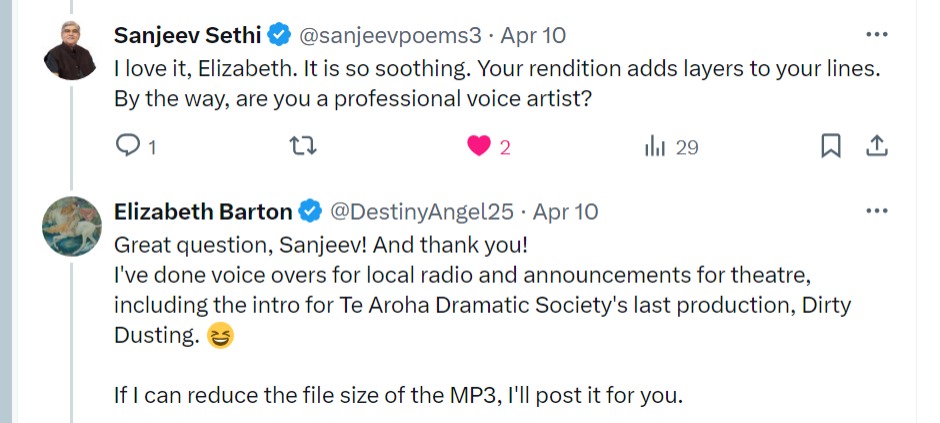
I recorded the poem Waterfall Waiorongomai to join the thematic suite of poems I began in All Revolutions Begin This Way. My voice caught the ear of Sanjeev Sethi, who remarked about it on X after watching the video.

Waterfall Waiorongomai, the poem

How intuitive! Sanjeev wondered if I was a professional voice-over artist. His own words say it best.

Naturally, I struggled to indulge his interest after suggesting I would upload a recording of my voice-over for the Te Aroha Dramatic Society’s production of Dirty Dusting. Firstly, I couldn’t reduce the file, and finally decided I didn’t want to regale his ears with my Big Boy impersonations. The Waterfall poem was sufficient.

However, for the curious, there’s the YouTube recording of the Voice introduction on the Events page.

The Flying Years

As a parting word, the top image depicts my successful flight in ‘Pegasus’, a privately owned aircraft at Tauranga Aero Club, in which I flew for the New Zealand CPL flight test. It was 2013 and feels like a lifetime ago.

Waiting for the Golden Age

Waiting for the Golden Age Read More »

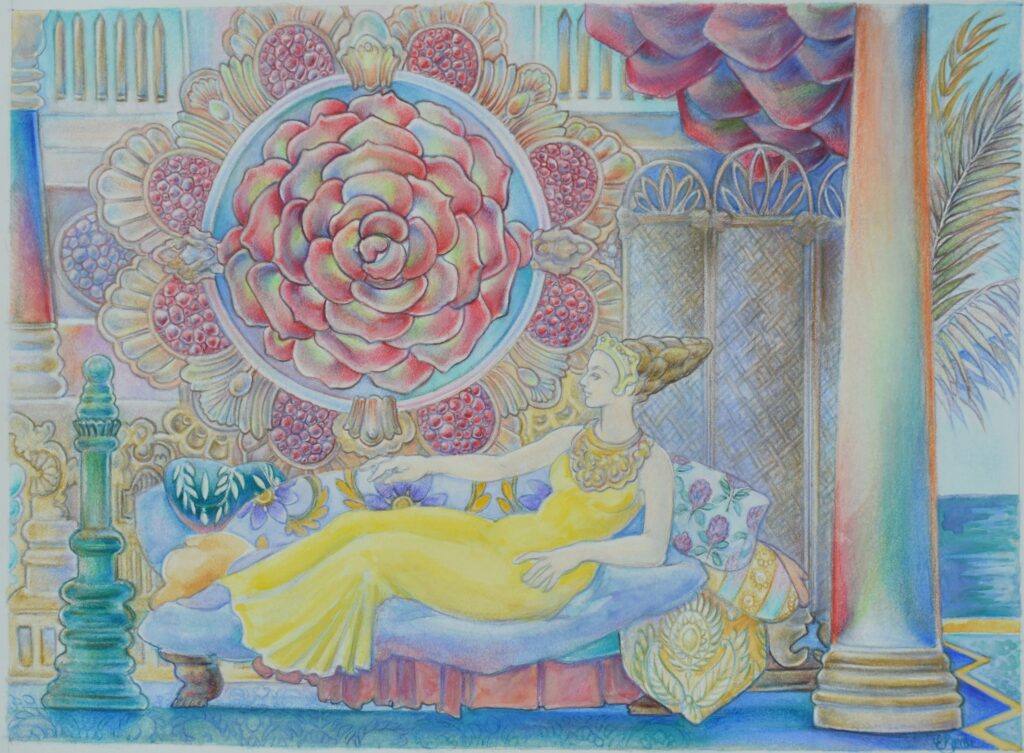
Waiting for the Golden Age, flag ship art for the exhibition,
The iconic image which inspired the exhibition

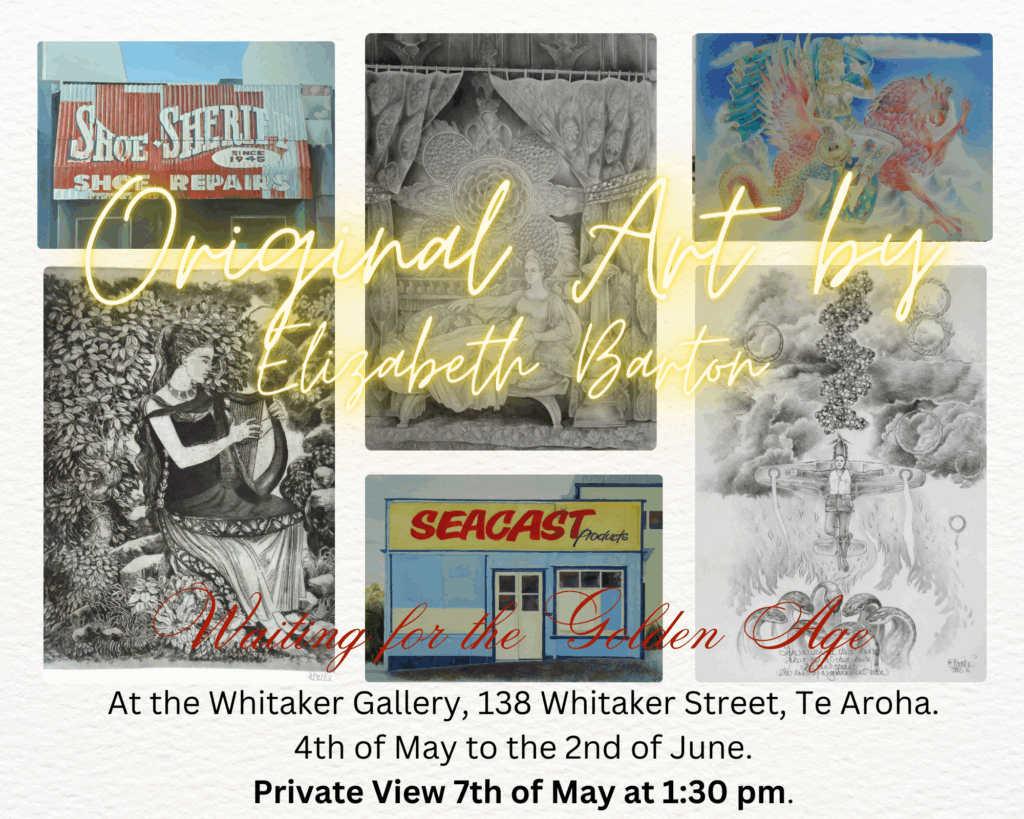
Waiting for the Golden Age is the title of an art exhibition I staged in Te Aroha in 2023. It was a personal highlight in a gloriously productive year.

The Golden Age is a perennial theme. The title for the exhibition, Waiting for the Golden Age, began with an iconic work I had produced, hinting at the idea. The concept of a Renaissance or Golden Age has haunted me since I was 15. I envisaged a renaissance in the arts, which I discussed in interviews a few years later. Wonderful possibilities opened before me to study art in the UK which generated a flurry of interest. That is a story for another time!

Vision of a Golden Age

Something like a Golden Age first arose in my mind when I was nine (or twelve!) and staying at the farm of family friends in the wilds. They often invited us there, in the heart of the Waikato. The place still persists in memory, an idyllic retreat. I used to roam over gorgeous green hills and valleys, beguiled by spectacular views of farmland. The countryside lit my imagination. On one such occasion, near sunset, I viewed the horizon and envisaged a happy, golden world of the future.

The vision grew and impressed itself upon me. Centred on the West, and particularly a future America, I saw a thriving, prosperous world unfolding. It was a momentary snapshot, belonging to a far off time, yet steeped in timeless nostalgia. The light cast by the last rays of the sun somehow vivified and enhanced my impression. At the time, I did not question or judge what I saw. It was simply a moment of reflection.

The impression and accompanying joy remained with me all these years. I never thought I would see such a world in the making. I thought it projected well beyond my lifetime. In fact, I feel it links with the ideas I aired in my first blog, 2023 is the Year. 2023 again looms as a temporal key! In the blog, I envisioned an exciting future based upon a dream when I was 17.

The Golden Age has been on everyone’s lips for the last two years, especially concerning developments in America. Trump hails the beginning of a golden future, and has made the theme his own. Could I have had a glimpse of the future all those years ago? I mention the US as an aside – purely as a marker in a personal journey. Life becomes charmed indeed when the outer world begins to reflect the field of internal impressions.

The Artist’s Retelling of the Vision

The idea for the exhibition was both a wish and a future imagining. By building a visual library around the theme of a Golden Age, I could perhaps hasten its manifestation. That is why visual art is a powerful tool. And why I expected a renaissance in the arts in the future. Art based on forgotten concepts such as sacred forms and geometry, which embraced the aesthetic of beauty, would emerge. Art which expressed the artist as a free spirit, able to realise visionary schema forged from spiritual journeys.

I was waiting for the Golden Age. All things come to those who wait.

The Exhibition Opening

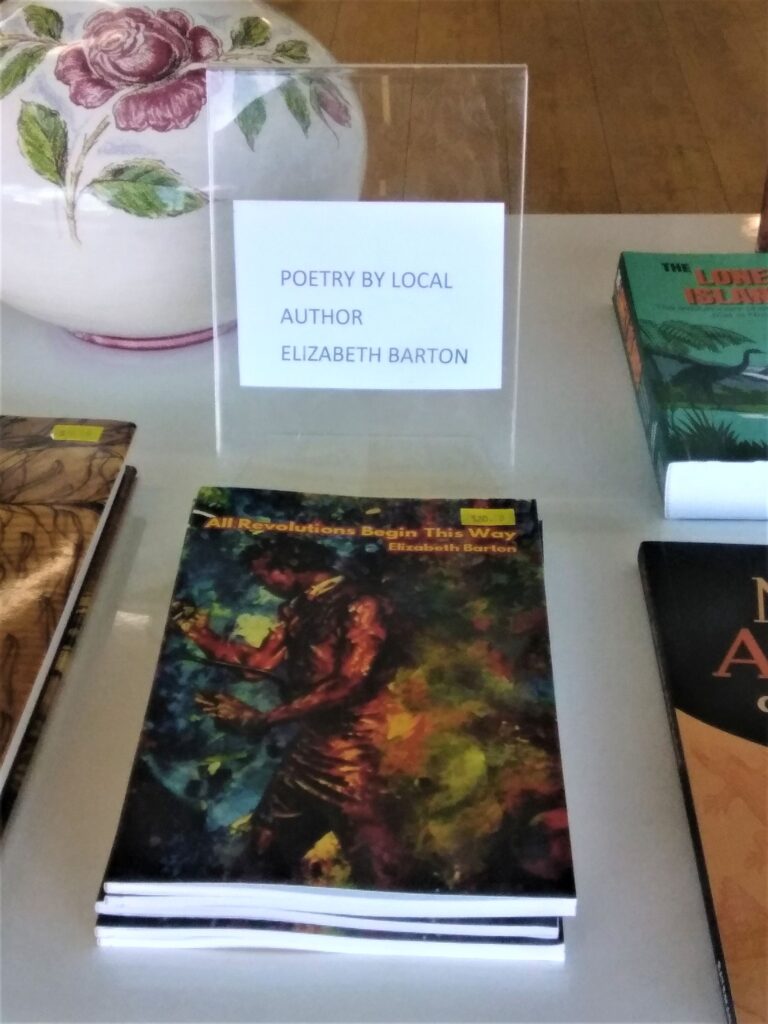
We came dressed in gold. The opening or private view grew into a lively gathering. Old loved works, etchings, sold. As part of the exhibition, copies of All Revolutions Begin This Way were available to buy – all of them sold.

An earlier poster design for the art exhibition
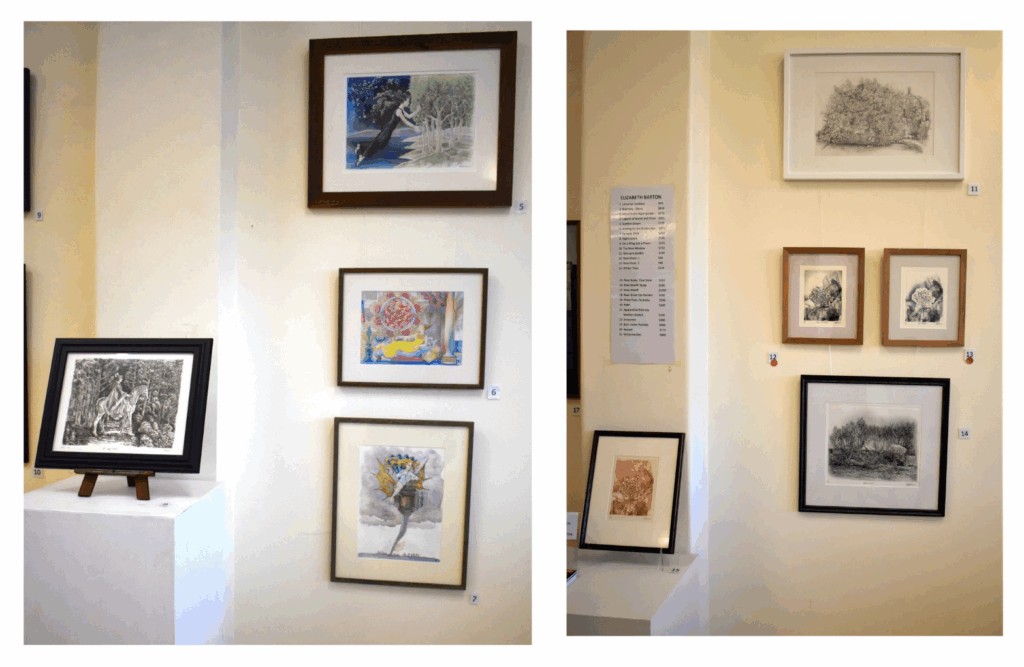
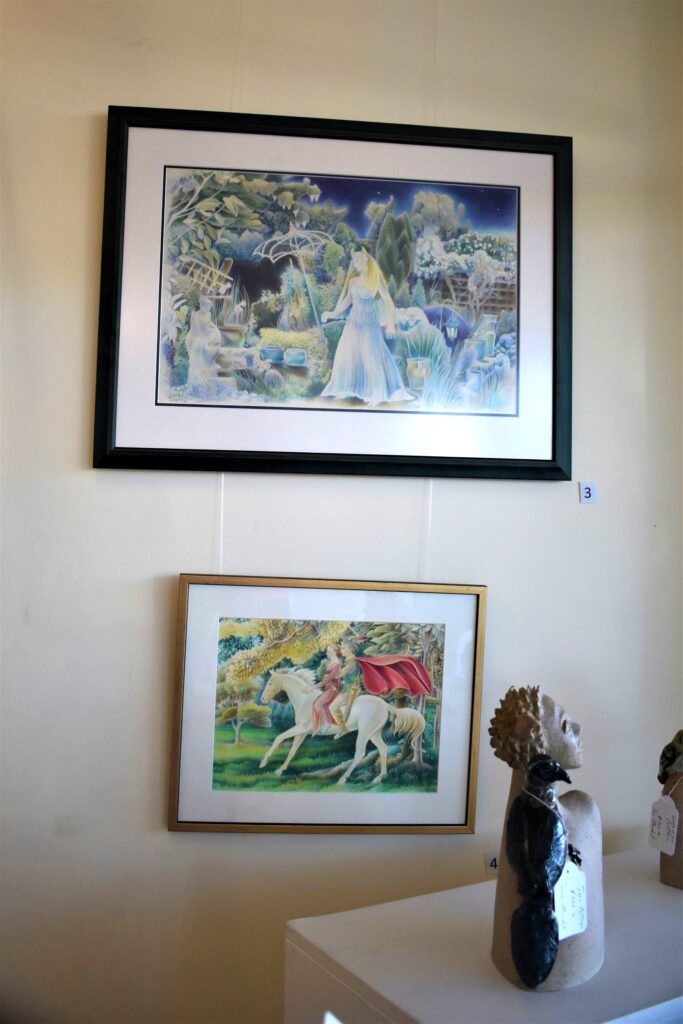
Some of the art on show at the exhibition, including rose etchings which sold.
Some of the art on show, including the Rose etchings which sold.

The Events page has more about the exhibition.

The Filming of Abandoned

The Filming of Abandoned Read More »

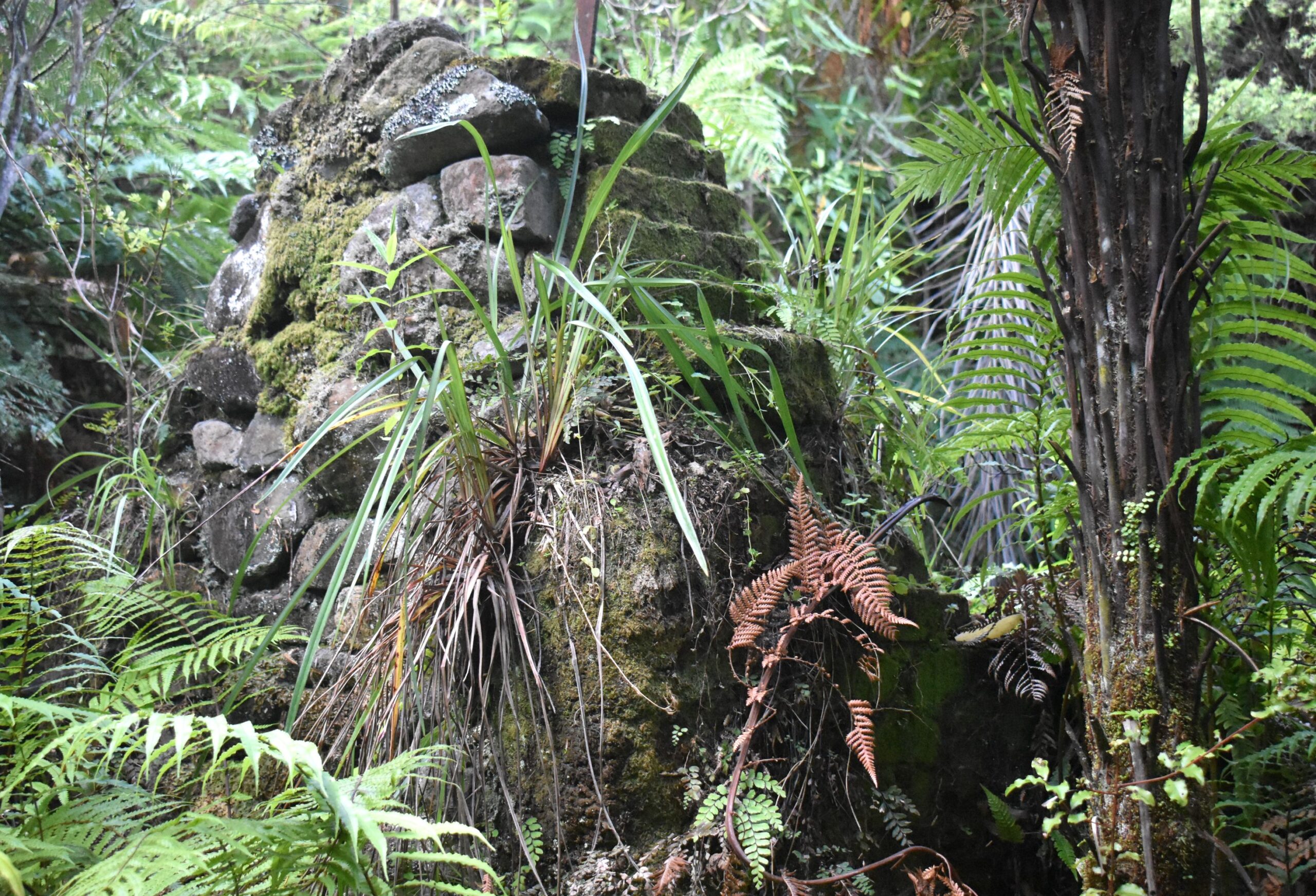
The Abandoned Bushman’s Hut

The filming of Abandoned was a memorable and unexpected spiritual adventure. I was determined to record the poem before the place which inspired it became inaccessible. Abandoned is part of the Waiorongomai poems from All Revolutions Begin This Way. The collection opens with these poems, exploring the history of Waiorongomai and the search for gold.

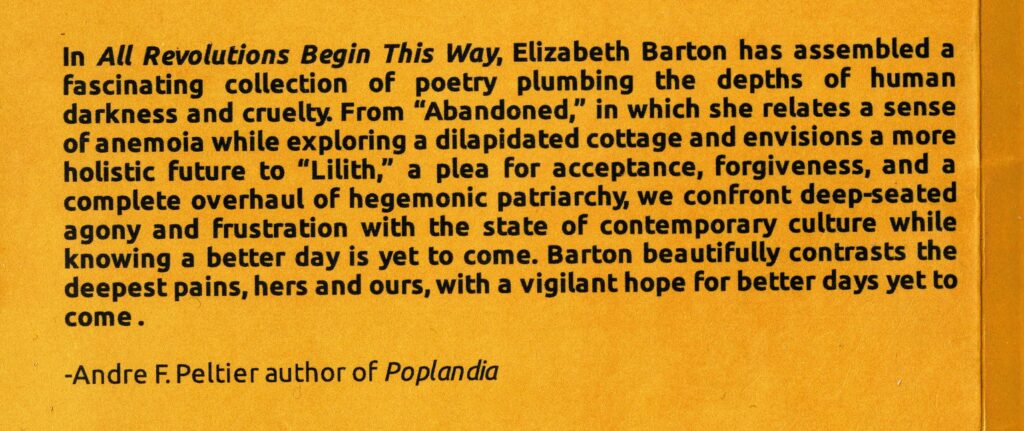
The poem stands out in a preview by A. Pelletier, featured on the back cover of the book. He describes it as a ‘dilapidated cottage’ based upon the poem’s depiction. At the time of writing it was. Since then, the old bushman’s hut has become virtually unrecognisable, now a complete ruin covered in towering ferns. I originally wrote the poem six years ago! Our last visit was in 2019, when we chanced upon the relic while on another, more ambitious quest.

Preview of the poem Abandoned featured on the back cover of All Revolutions begin This Way
Preview for the poem Abandoned

The Return

Our return to the abandoned hut brought joy and fresh discovery. The emergence of an inner world woven into the fabric of nature left an impression on our being which lingered for days.. Equally, I felt we we had left some kind of imprint in the places we passed. A resonance of location became a key which we could unlock with memory. On the way to our desired destination, I noticed the absence of the Portals which I had sensed previously. Especially at the river crossings where the frisson or shimmer of air indicated their proximity. Or so I thought.

Elusive Music

While I was filming on my own, I heard music drifting up from the river below. It intrigued me. It sounded like live concert music, but far away and elusive. Flutes and voices. It could have been a Bach chorale. The sound wasn’t tinny, like it would if belched from a mobile phone in a public place or from a passing tramper. That was in fact my first impression. that someone was walking the track below with a device playing. I expected a visitor to come blundering up the track in the next few minutes. Our precious enclave would no longer be a secret!

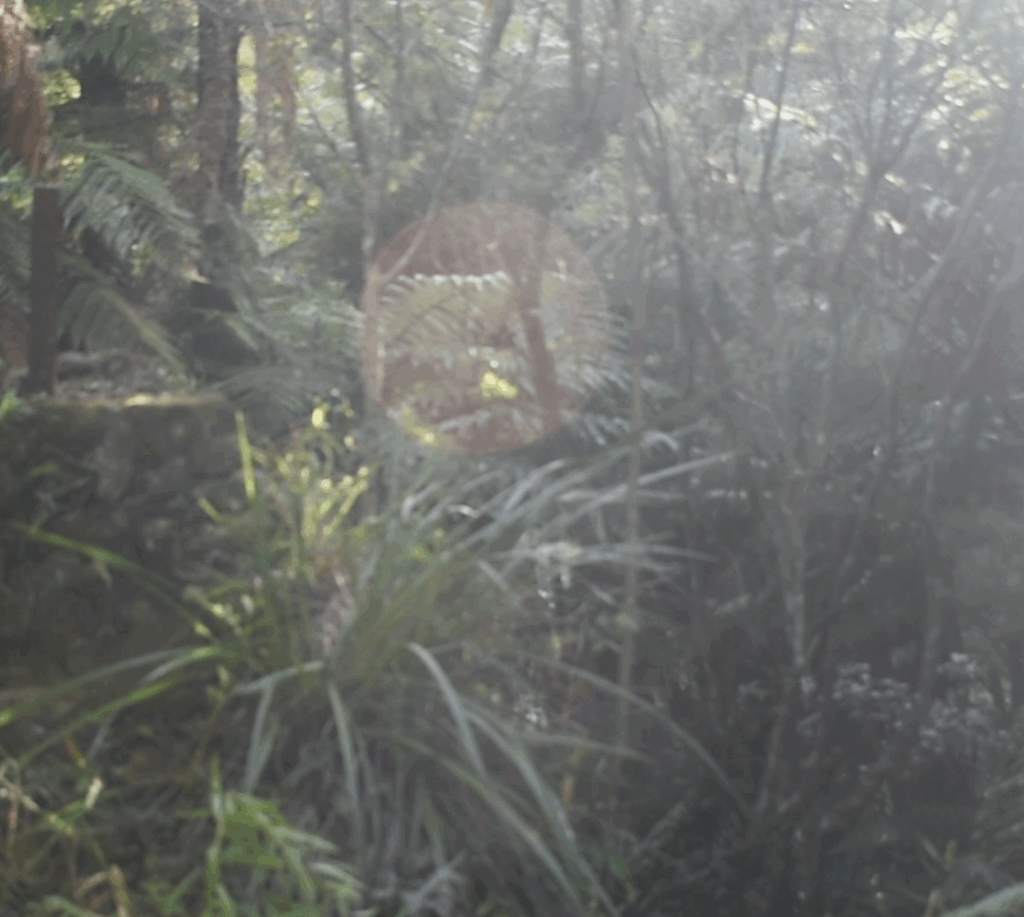
But no one came. I noticed interesting orb effects in some of the photographs I took while I could hear the strangely beautiful music.

The curious orb effects in a liminal setting

I called out to my film editor and fellow adventurer, Mr Possum, ‘Can you hear that music?’ He heard nothing.

More Mysterious Effects

Other anomalies occurred. It was impossible to get the camera in focus for filming. It would flick in and out of focus on a whim. Videos I loved were unusable! Misting effects and distortions of time and place recall similar experiences an author describes in his book Brigantia: a Mysteriography. The book is out of print, but its mysteries are curiously relevant. A fairy shoe kept in a cabinet in a Yorkshire residence was unphotographable. It always appeared on film as if sheathed in cloud. No matter the angle. or lighting, it eluded any photographer. It took us two visits to get usable footage for the video.

During the second visit, we both heard laughter drifting up from the river below before crossing it to reach the path on the other side. I bemoaned the idea that we might encounter bathers or explorers on our secret path, but on reaching the water’s edge, no one was to be seen anywhere!

Later, it occurred to me we may have passed through the Portals into another world, slightly out of phase and displaced from the place with which we were familiar. Filming Abandoned unveiled an unforeseen magic.

Filming Abandoned proved an elusive quest.

Finally, with much editing wizardry, we produced something close to the original vision.

And here it is, the published YouTube video.

More about the collection All Revolutions Begin This Way can be found on previous blogs, here and here.

The Books page provides a link for purchasing the book – or contact me directly for a signed copy.

The Red Knight

The Red Knight Read More »

The Red Knight Rides Out

A poem written in a fertile period, between 2018 and 2020, The Red Knight joined a collection which became
Song of Abraxas. I had hidden the poem away for six years! I decided to allow it into the light and sent the poem to Spillwords.com.

After a suitably suspenseful wait, I received wonderful news. The editors accepted the poem for publication and furthermore, selected it as a Featured Post. A platform given to works of merit in the eyes of the editors, the Features enjoy a preferential place on their website.

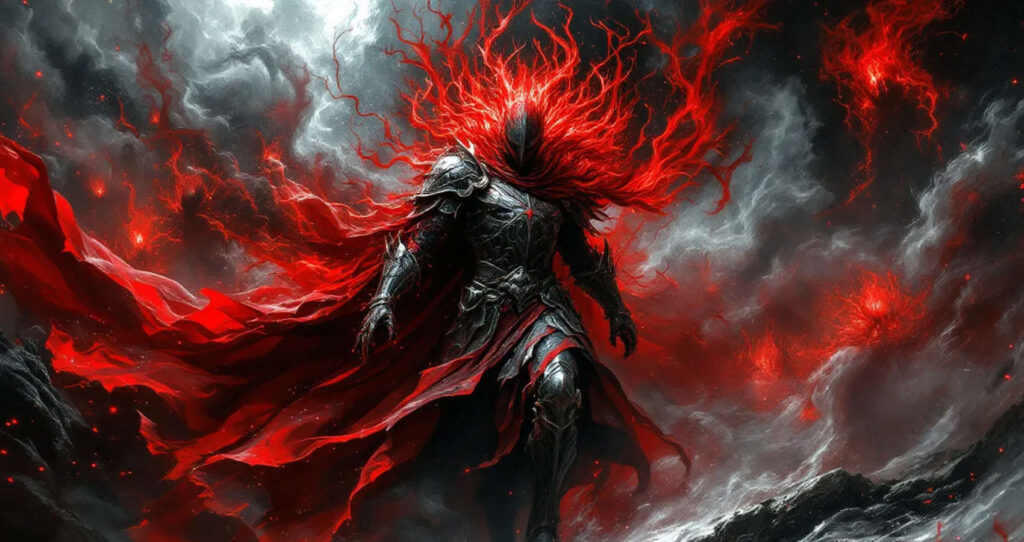
Published on the 11th of March, its impact was immediate. The editorial team chose an image which conveyed brilliantly the poem as I envisioned it. I knew they would find an eye-popping visual to accompany my work and so I happily left it in their creative hands.

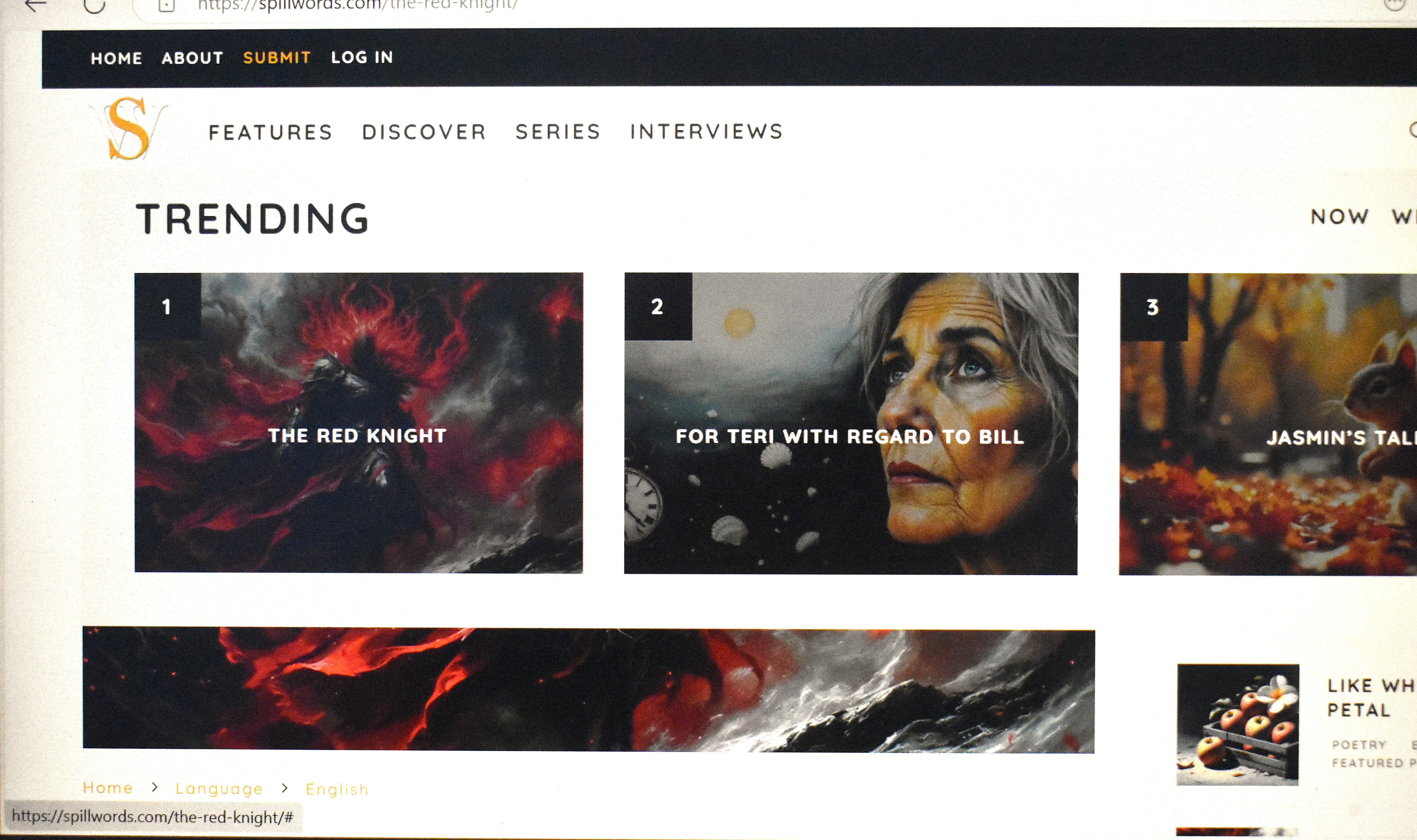
Upon publication The Red Knight took prominence and was trending at No. 1 for two days – a long time in the frenetic traffic of an online journal. It proudly sat among the popular posts for over a week.

The Red Knight Trending No.1 on Spillwords

Author of the Month Nomination

The poem’s popularity continued and towards the end of March I received fantastic news. I was one of seven writers nominated as Author of the Month. Spillwords.com hosts the works of hundreds if not thousands of authors worldwide. So it is no small honour to receive such a nomination. It is a terrific platform on which to showcase original work. Their vast library of fabulous images and literary impact makes it an ideal website to reach a huge readership. I have a digital gallery of poems amassed over the years, thanks to Spillwords.com continued support of my work, which you may find here.

And there is an introduction to Spotlight on Writers on the ‘About Me’ page of my website.

What Inspired the Red Knight?

It is one of those poems which came upon me like a dream. Its medieval character reflects the manner of its inception. Alchemical; transcendent; laden with symbolism. I defined The Red Knight thus: The poem describes a kind of medieval fantasy in which the poet faces an implacable foe named as the Red Knight. The poem is about ultimate victory over one’s fears or perceived limitations. You may read the poem here.

The Red Knight in an Earlier Incarnation

Back in a darker time when Europe was forced into Lockdown, I produced a YouTube video of an earlier version of the poem. It was part of a project to bring together poets worldwide in collaborative online projects. Since its publication on Spillwords.com, it has enjoyed renewed interest!

Maui Catches the Big Kahuna

Maui Catches the Big Kahuna Read More »

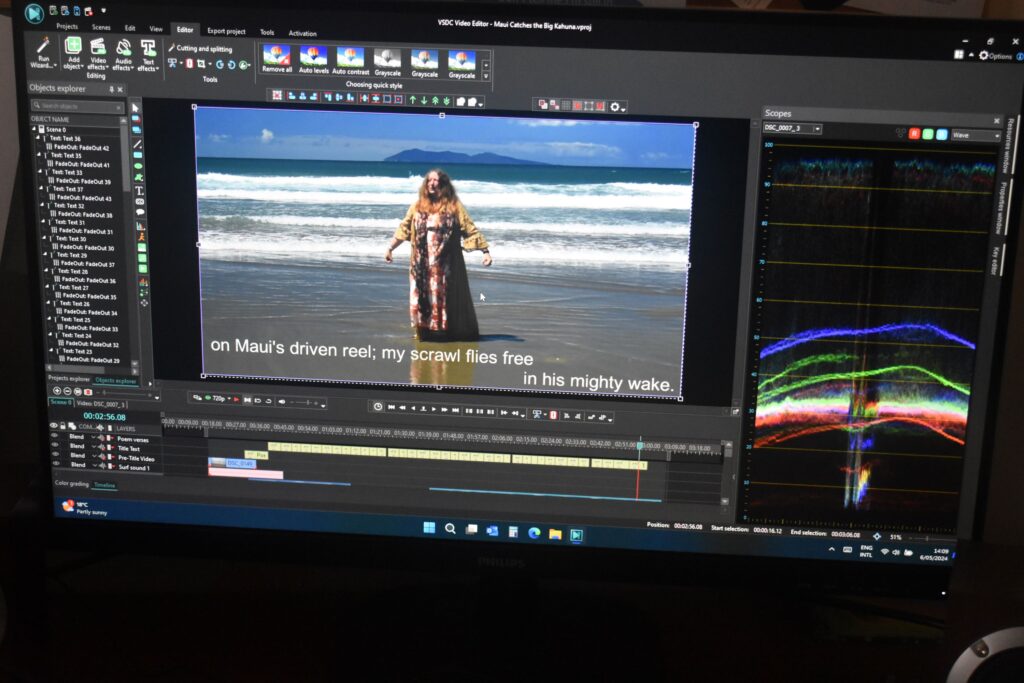
The making of Maui the video.
The Making of Maui

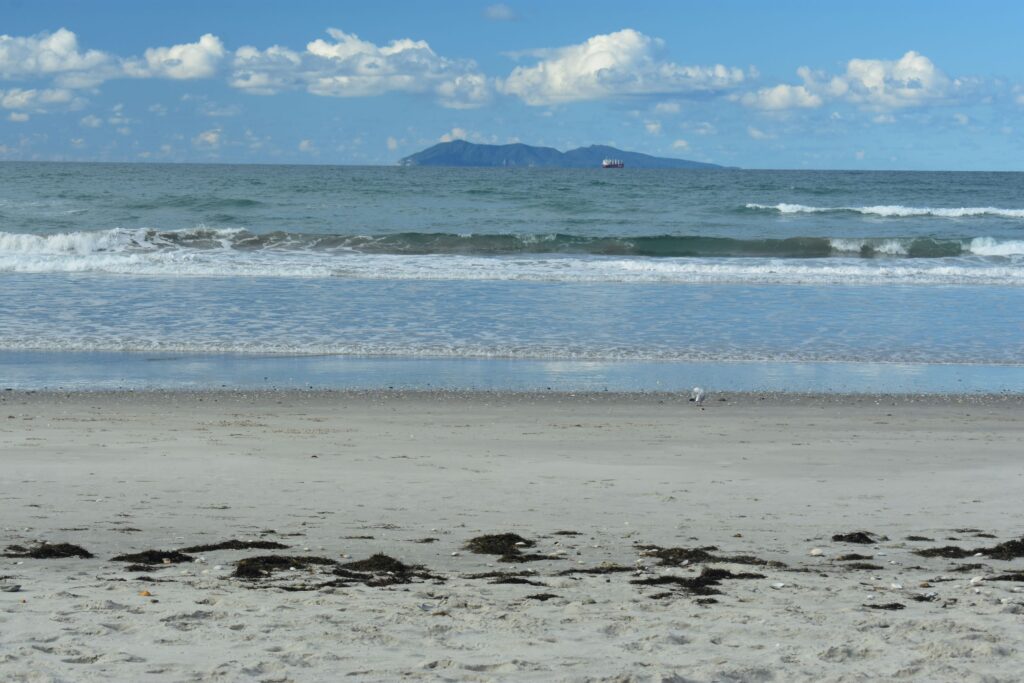
The video creation for the poem Maui Catches the Big Kahuna was a tremendous adventure. The subject was perfect for ocean vistas and crashing waves, providing an ideal backdrop for Maui’s storyline. We spent a lot of time on Waihi Beach, filming in all weathers.

Waihi Beach in one of its many moods, setting the scene for Maui Catches the Big Kahuna
Waihi Beach in one of its many moods

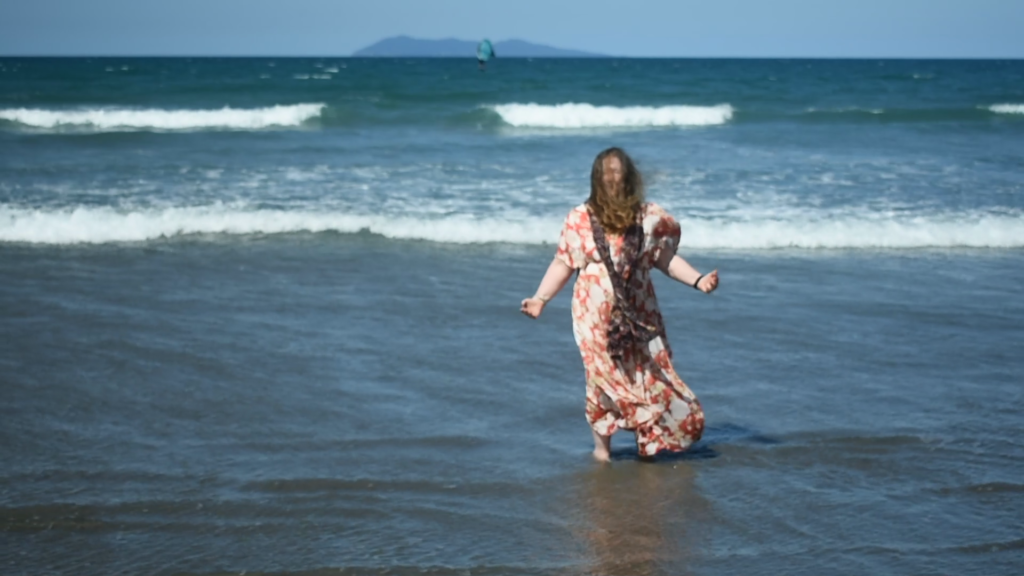
At the beginning of the video, I am walking up the beach in a howling gale. The inbuilt microphone in the camera was not up to the boisterous elements, so I recorded my voice over the footage in the quiet confines of the studio. It took a lot of coordination, lip synching over the video and tweaks from the technical wizard, Mr Possum, to perfect the timing. The result was near seamless.

Serendipitously, a solitary wind sailing surfer appeared in the background in the middle of filming, which was miraculous. Here was our Maui, photo-bombing the video in a stroke of impeccable timing. He appears in the middle section of the final video, synchronously woven into the poem.

Video capture of wind surfer in Maui Catches the Big Kahuna
The serendipitous moment the wind surfer appeared

We did much of the storyboarding in a nearby café, sheltering from lashing wind and rain. As a result of our activities, one of the waitresses there was curious to know what we were up to! After much quaffing of Spy Valley Sauvignon and sampling seafood, we were ready to turn vision into video.

It took months. From inception with the original poem, to the final filmic creation on YouTube, was an inspiring and challenging journey. I enjoyed showcasing the video at a recent Poetry Event at the Pumphouse Theatre. The video is available to view on the blog.

The Origin of Maui Catches the Big Kahuna

No one will ever know the initial prompt – the poem sprung out of a terrible realisation which unfolded as some perverse joke. The reference to the word Kahuna provides a clue. Who did Maui catch, who saw himself as rather important? I followed the vision, as if viewing a film in helpless wonder. So many things fell into place!

The title for the poem literally appeared before me, like smoky writing on a wall. Initially, the poem settled upon me like a pre-migraine weight (only I don’t get migraines); it felt like that fuzzy brain that comes before stormy weather. The Muses churned in the background. Then the body of the poem followed like velvet carpet bombing my mind. I think I wrote it in a day.

The Test Flight with the Dragonflies

I introduced the Dragonflies Writers Workshop in a previous blog, Flight of the Dragonfly, At the next Zoom meeting, I dared to air the poem. It was perfect for the theme of the next session: Myths. I had to dive in. After reading it, the participants reacted with interest and intrigue. They quickly divined there was much more hidden beneath the surface. The truth told in slant, to paraphrase Emily Dickinson, became a topic in itself. The poets in the seclusive Zoom space knew more about the driving force behind Maui than anyone in the outside world! It was like being at confessional, but without the spectre of sin or expiation.

Clothed in the actions of an iconic mythic figure, the poem detailed an incredibly personal journey in which symbolic ciphers will not be decoded for a long time. All I will say is that the poem’s completion determined the difference between life and literary death. Poetry is the lifeline.

Eventually, Maui Catches the Big Kahuna surfaced on the Flights E-journal in Issue Ten. What a journey! The video was a continuation of that journey and followed much later.

And here is the video. Enjoy!